Lip Blush Pre Care and Aftercare Guide

Lip blush

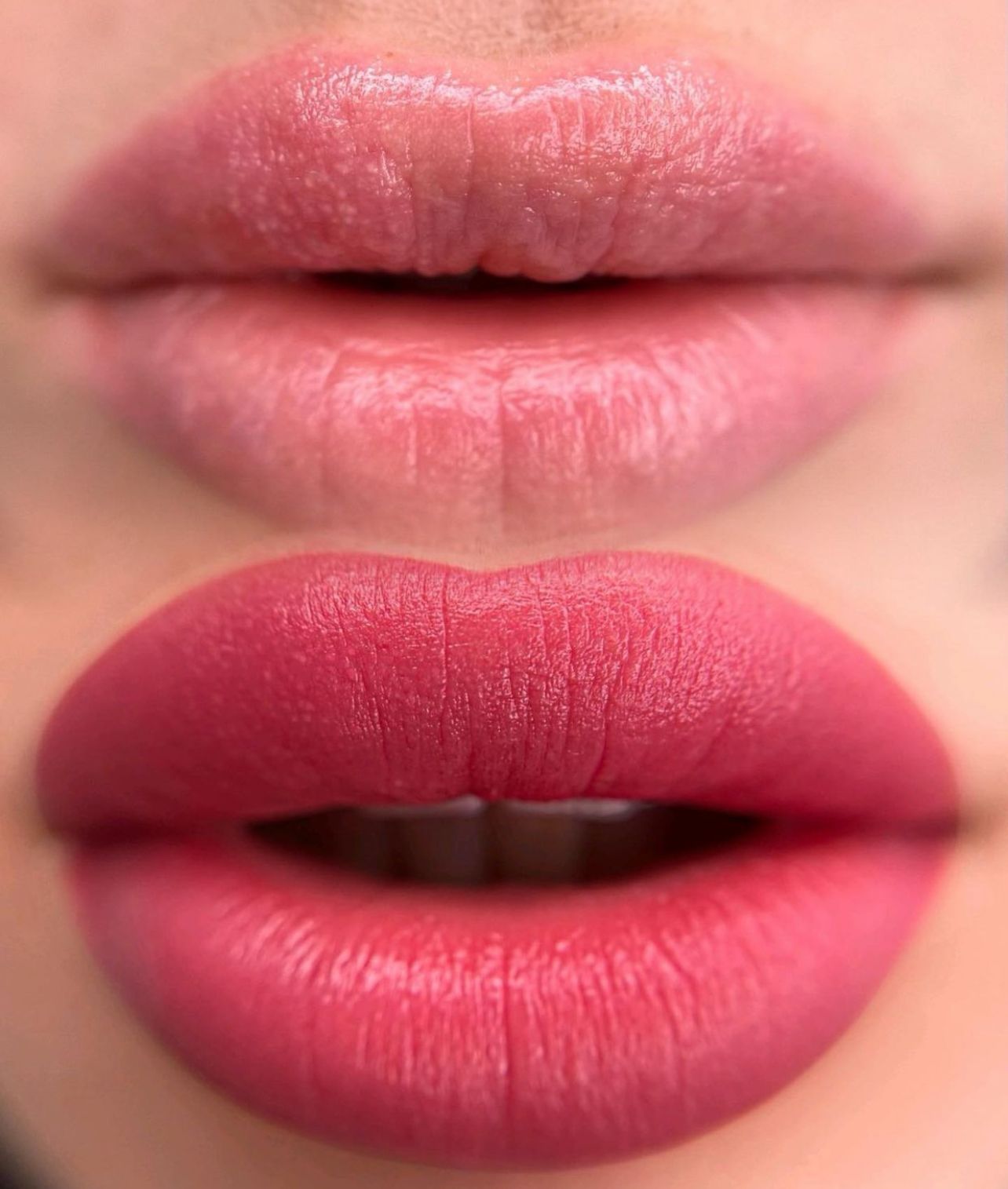
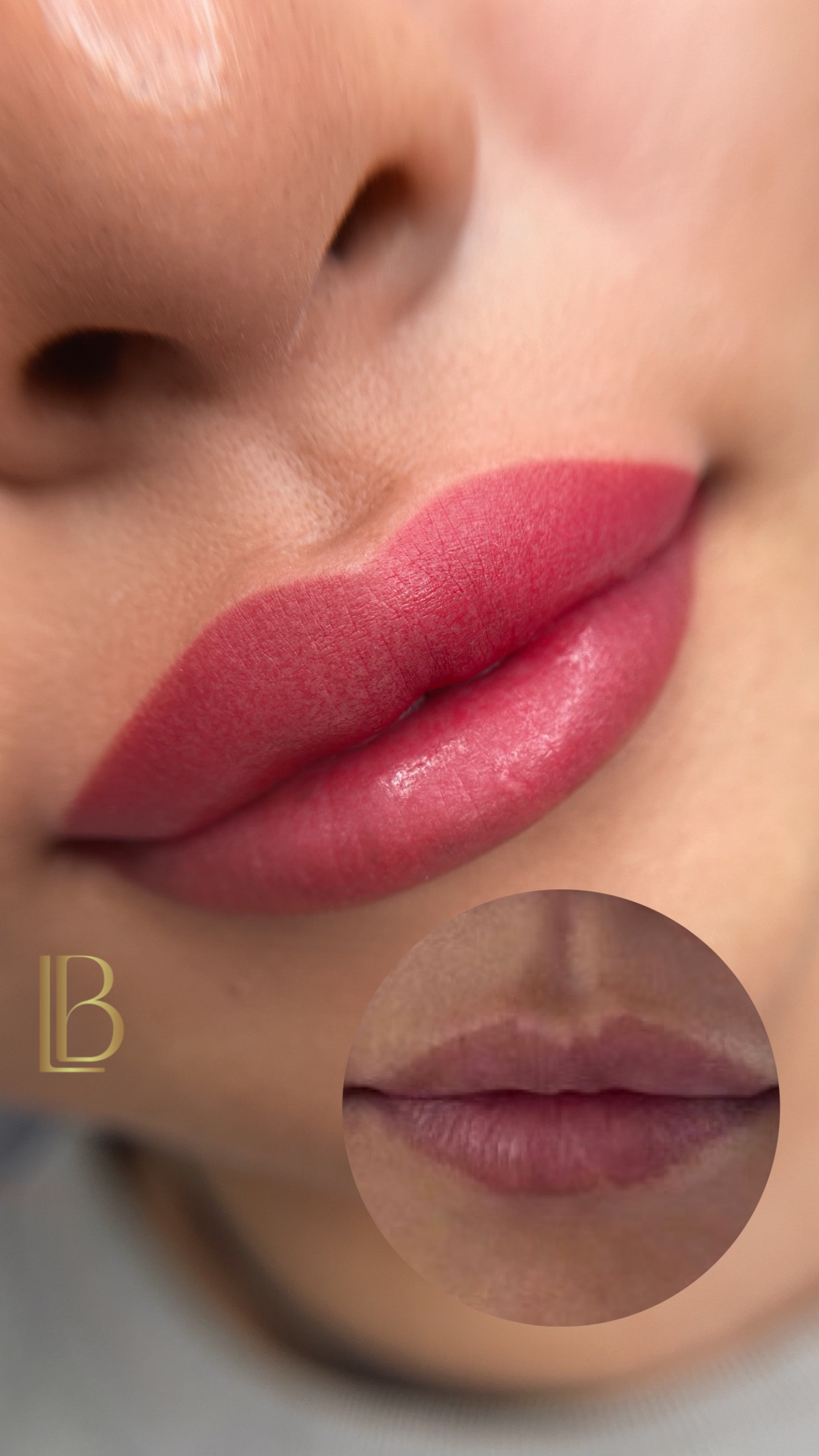
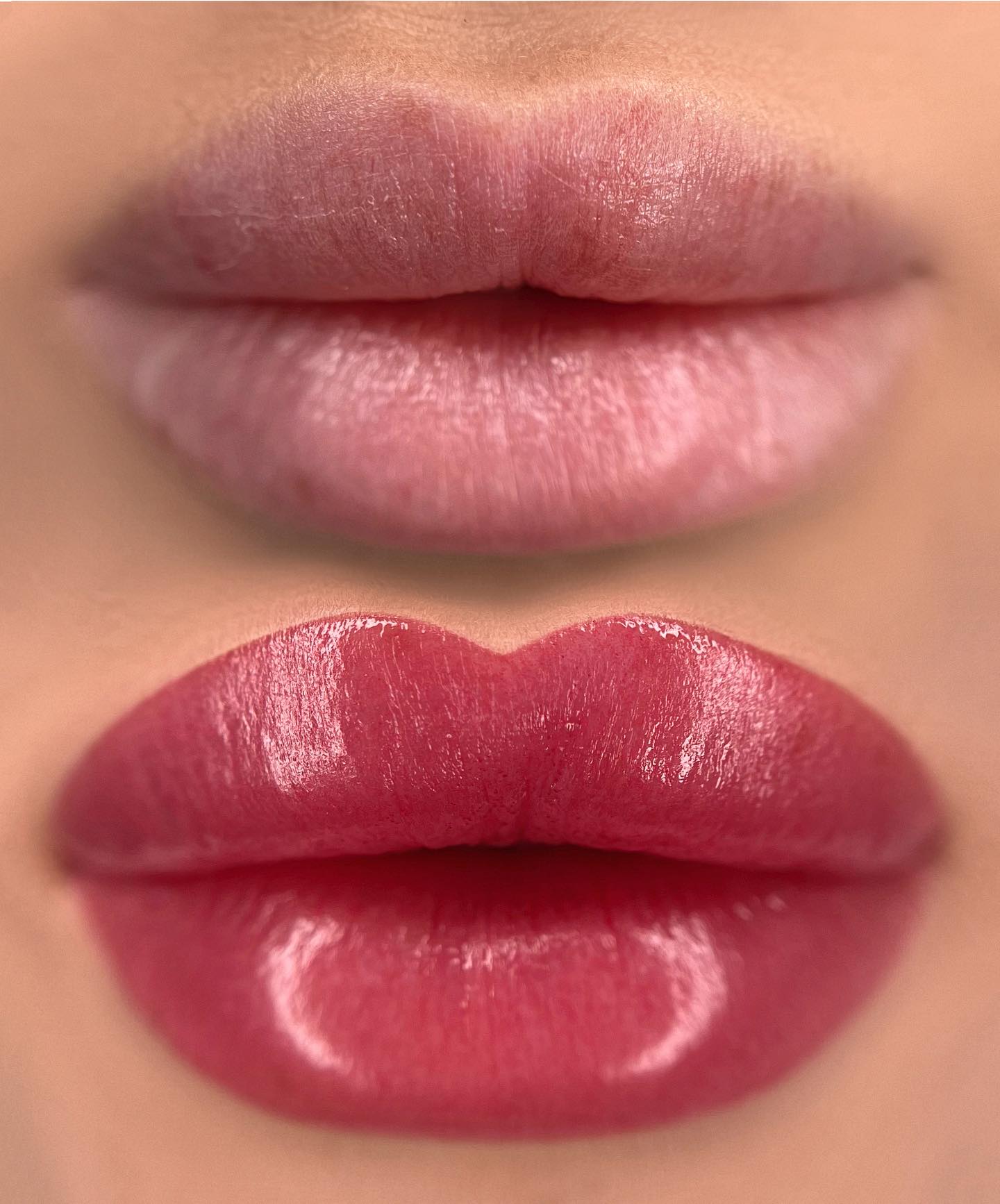
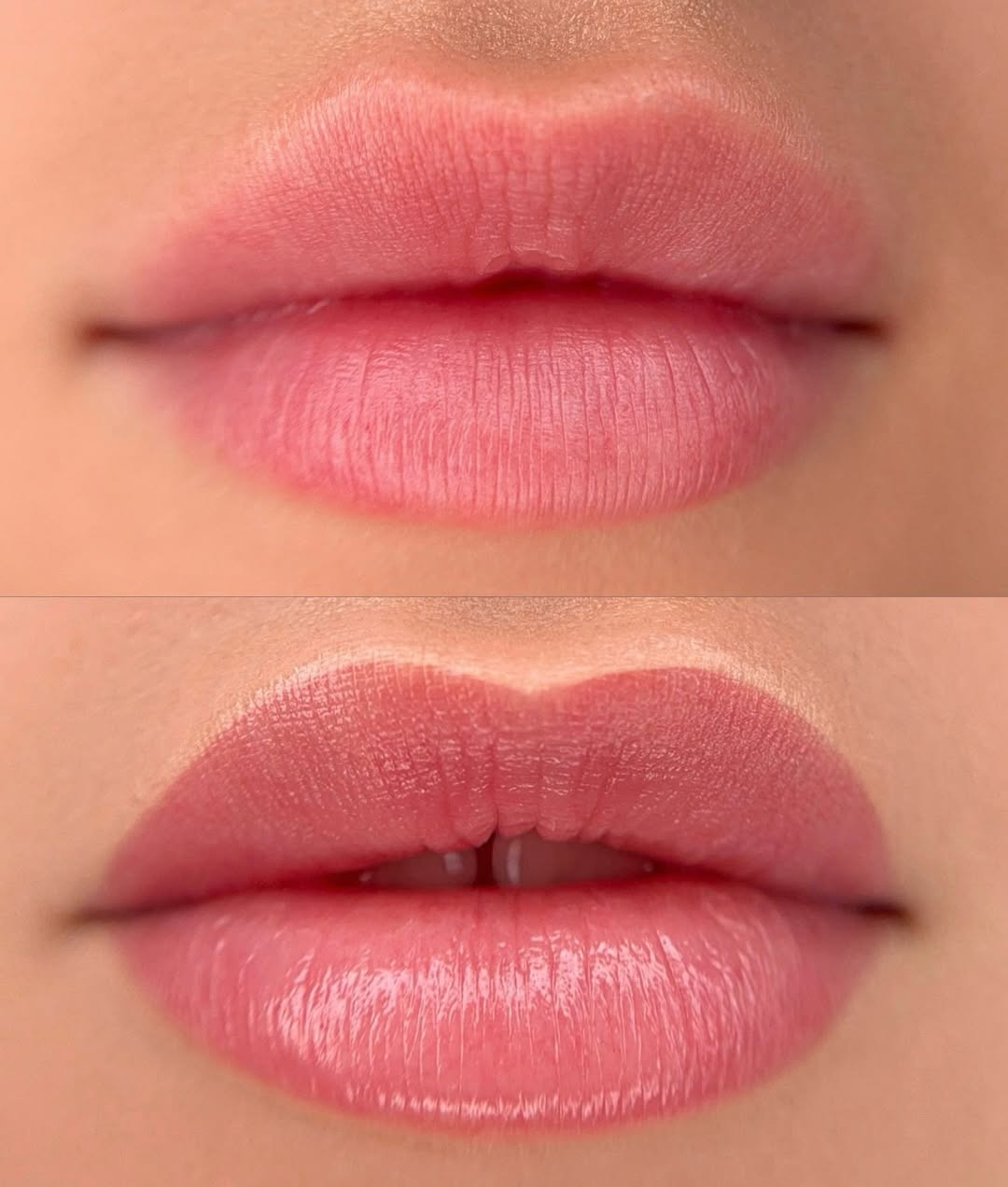
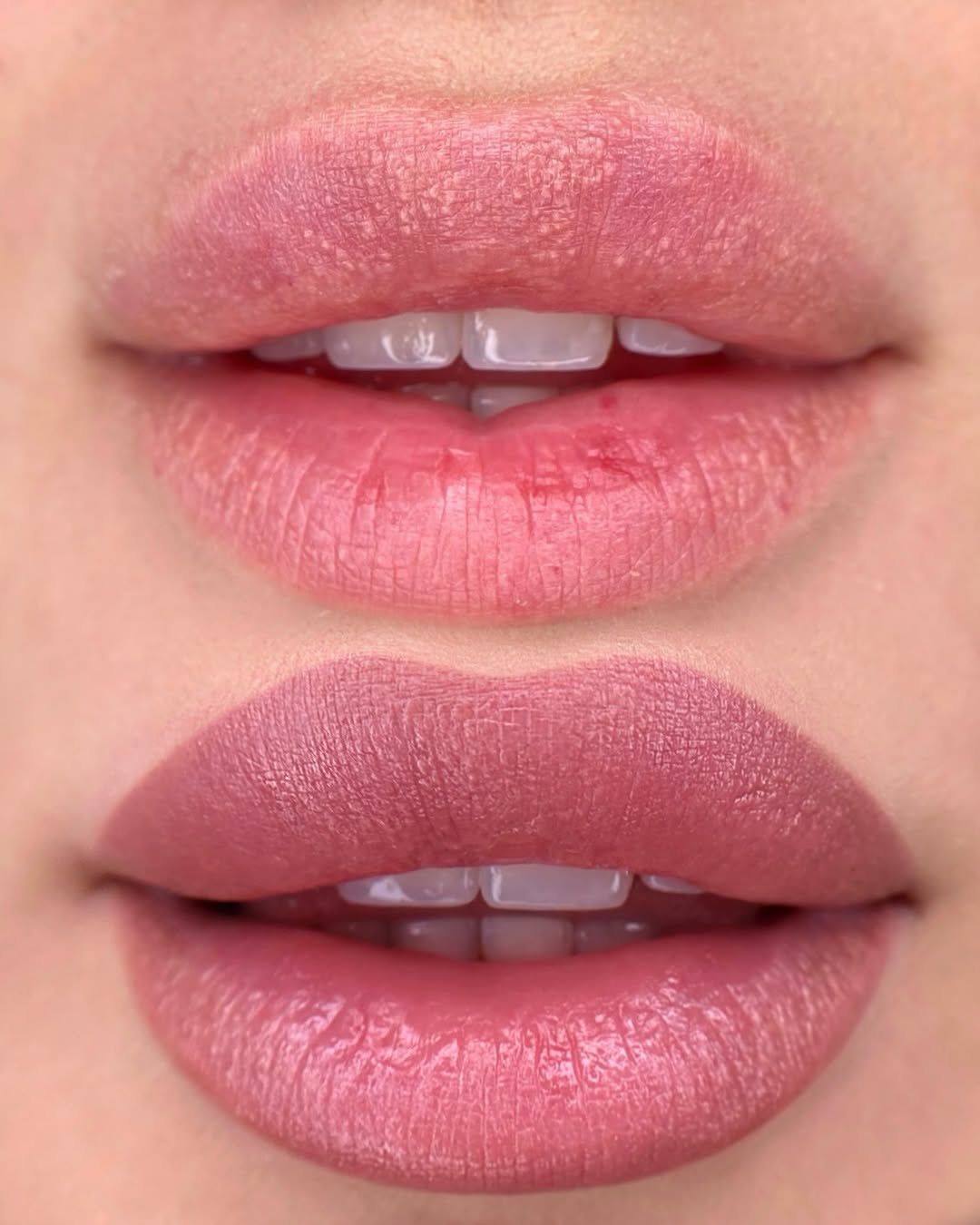
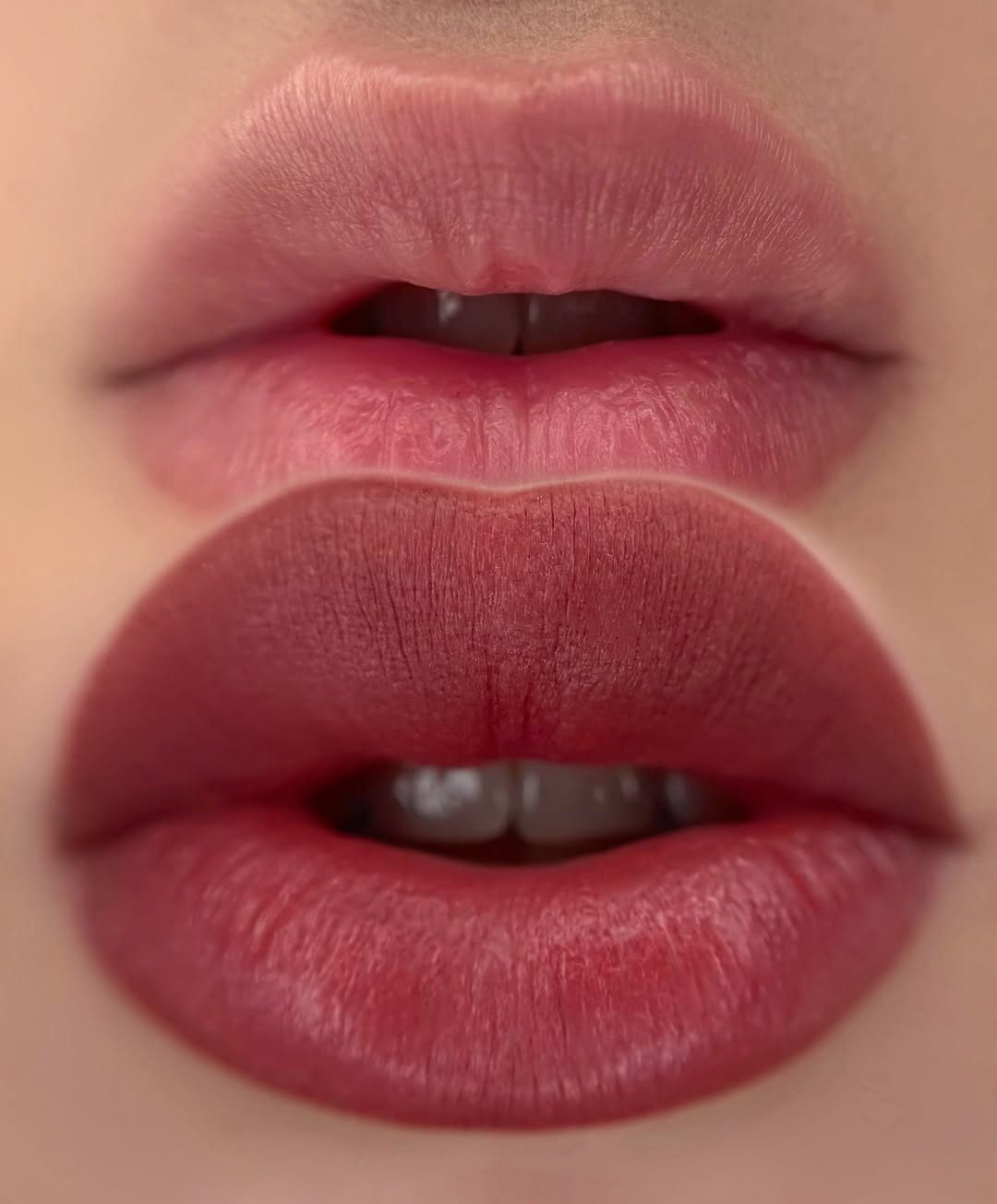
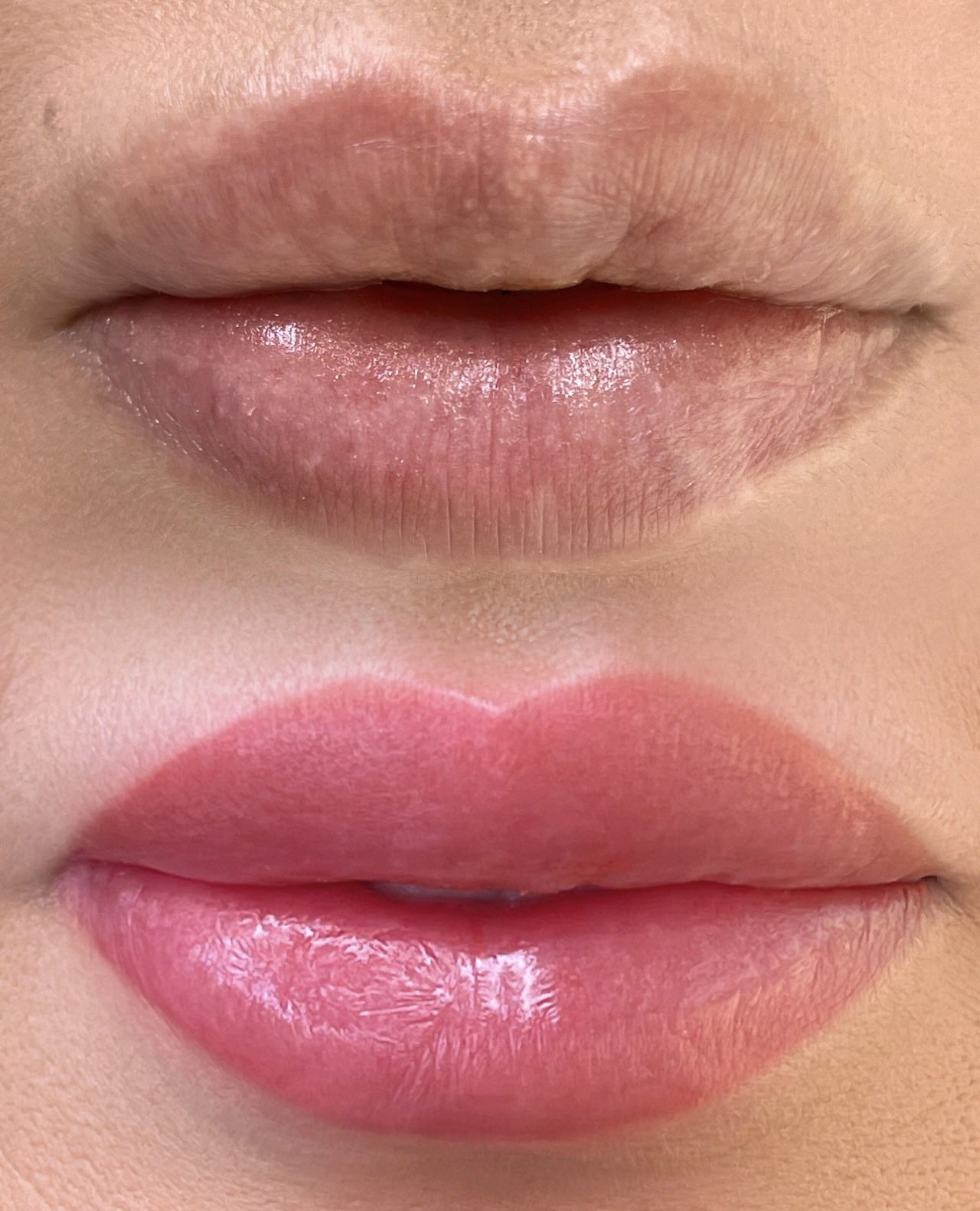
Lip blush is a semi-permanent makeup treatment that enhances the natural color, shape, and definition of the lips. It uses cosmetic tattooing techniques to place soft pigment into the lips, creating a natural tint that can look fresh, balanced, and more even.

This lip blush treatment is not designed to replace bold lipstick. Its main goal is to improve your everyday lip tone, soften uneven color, and give the lips a more defined appearance without looking overdone. The final result usually looks lighter and softer after healing.

Lip blush can be a good option if your lips look pale, uneven, or less defined than you would like. It may also help if you want to reduce daily lipstick use or wake up with a more polished natural lip color.

Good results depend not only on the procedure itself. Proper lip blush pre care and lip blush aftercare are just as important. Healthy, hydrated lips hold pigment better, heal more evenly, and usually give a smoother final result.

Lip Blush Pre Care: How to Prepare Before Your Appointment

Lip blush pre care helps your lips heal better and hold pigment more evenly. The goal is to arrive with soft, hydrated, and healthy lips, without dryness, irritation, or active skin renewal around the mouth.

Start preparing at least one week before your appointment. Drink enough water, use a gentle lip balm, and avoid picking or biting dry skin. If your lips are cracked or peeling, the pigment may not settle evenly during the lip blush treatment.

A gentle lip scrub can be used a few days before the appointment, but do not exfoliate aggressively. The lips should feel smooth, not sensitive. Strong scrubbing can create micro-damage and make the procedure more uncomfortable.

You should also avoid new skincare products around the mouth before your visit. Keep your routine simple and predictable. This reduces the risk of irritation, redness, or unexpected sensitivity on the treatment day.

If you often get cold sores, speak with your doctor before booking. Lip blush can trigger an outbreak in people with a history of cold sores, so antiviral medication may be recommended before and after the appointment.

What to Avoid Before Lip Blush?

Before lip blush, avoid anything that can increase sensitivity, bleeding, or irritation. This helps the pigment settle better and makes the procedure more comfortable.

Stop using strong active skincare around the lips about two weeks before your appointment. This includes retinoids, Vitamin C serums, glycolic acid, chemical peels, and exfoliating treatments near the mouth area.

Avoid alcohol and coffee for 24 hours before the treatment. Both can make the lips more sensitive and may increase bleeding during the procedure. This can affect pigment retention and healing quality.

Do not take blood-thinning medication without medical guidance. If you use aspirin, blood thinners, or similar medication, speak with your doctor first. Never stop prescribed medication on your own.

Also avoid lip filler too close to the appointment. Ideally, schedule fillers at least one month before or after lip blush. This gives the lips enough time to settle and helps your artist work with their natural shape.

The Day Before and the Day of Your Appointment

The day before lip blush, keep your lips calm, clean, and well hydrated. Do not exfoliate, test new products, drink alcohol, or do anything that may irritate the skin.

Use a simple lip balm if your lips feel dry. Avoid heavy ointments right before the appointment unless your artist recommends them. The lips should be moisturized, but not coated with thick product.

On the day of your appointment, arrive with clean lips and no lipstick, tint, gloss, or lip liner. This allows your artist to assess your natural lip tone and choose the right pigment more accurately.

Eat before your visit, because your lips may feel tender afterward. Choose simple food and avoid spicy meals before the procedure. Spicy ingredients can make the lips more sensitive.

If you were advised to take antiviral medication, follow your doctor’s instructions exactly. This is especially important if you have ever had cold sores, even once.

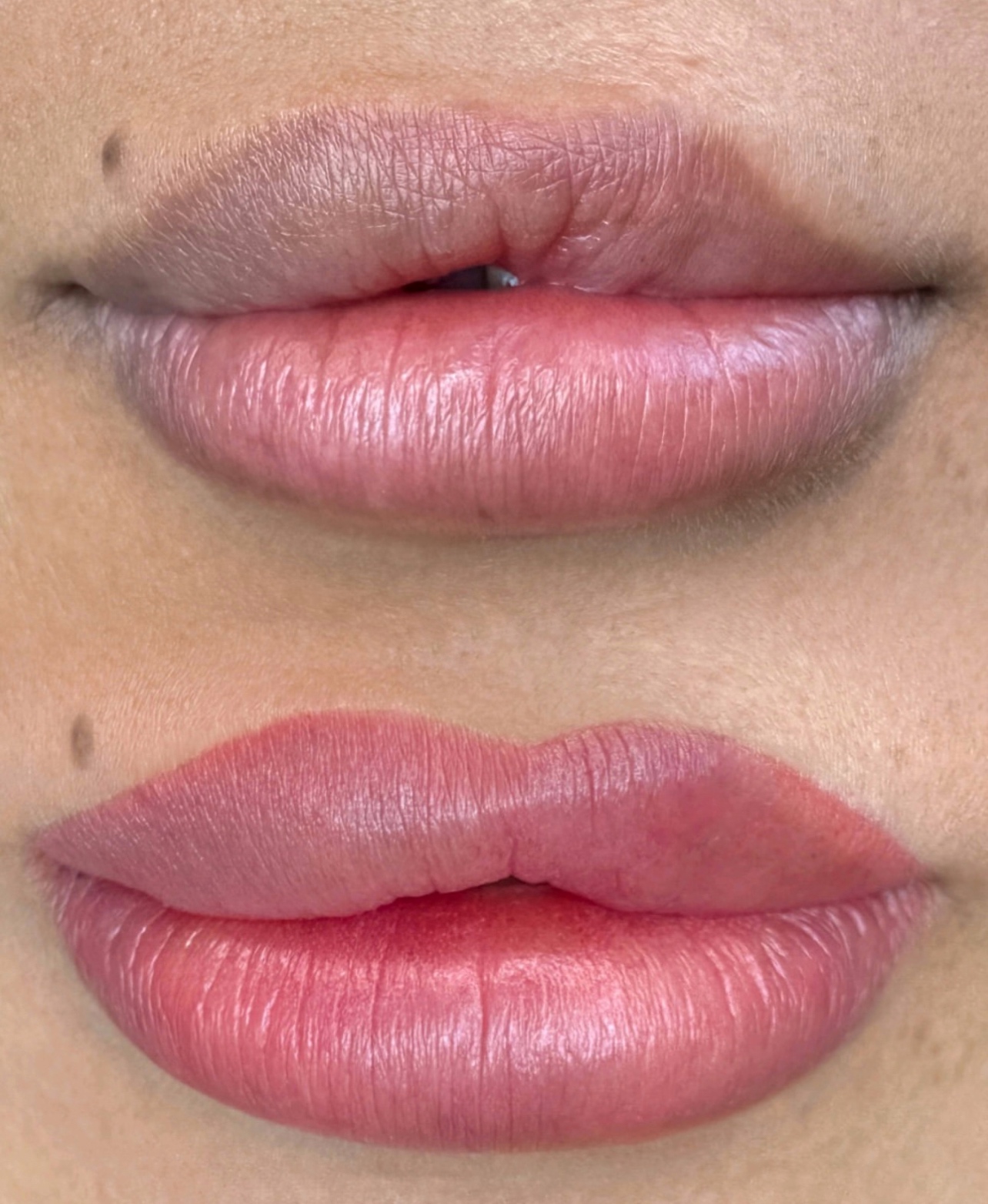
Lip blush aftercare guide with natural healed lips and soft semi-permanent color result

Lip Blush Aftercare: What to Do After Treatment

Lip blush aftercare protects your lips while they heal and helps the pigment settle evenly. The first week is the most important period, because the skin is sensitive and the color is still stabilizing.

Right after the treatment, your lips may look brighter, darker, or more intense than expected. This is normal. The color usually softens as swelling goes down and the surface layer begins to heal.

Use only the aftercare products recommended by your artist. Apply a very thin layer of healing ointment when the lips feel dry. Too much ointment can keep the area overly moist and may slow the healing process.

Keep the lips clean, but be gentle. Do not rub, scrub, or pick at dry skin. Flaking is part of normal healing, and removing it too early can cause patchy color.

During post lip blush care, avoid lipstick, lip gloss, spicy food, heavy sweating, swimming, sauna, and direct sun exposure. These can irritate the lips, increase infection risk, or affect pigment retention.

The First 24 Hours After Lip Blush

The first 24 hours after lip blush are about gentle cleaning and protection. Your lips may feel swollen, tender, tight, or slightly numb, and this is usually normal.

If your artist gives you sterile wipes, use them exactly as instructed. They help remove lymph fluid from the lips. This clear or yellowish fluid is part of the natural healing response, but it should not stay on the skin for too long.

Apply a very thin layer of recommended ointment when the lips feel dry. Good aftercare is not about using more product. It is about keeping the lips lightly protected without blocking normal healing.

Drink through a straw if needed and choose soft, simple foods. Avoid very hot drinks, spicy meals, salty snacks, and acidic foods. They can sting and irritate freshly treated lips.

Do not touch your lips with unwashed hands. Also avoid kissing, lipstick, lip gloss, smoking, swimming, and heavy exercise during this early healing stage.

Days 2–7: Dryness, Flaking and Healing

Days 2–7 are usually when the lips feel dry, tight, and flaky. This is a normal part of lip blush healing, and it should not be forced or rushed.

The swelling often becomes much lower by the second day. The color may still look bright, uneven, or darker than the final result. This does not mean the pigment has healed incorrectly. The lips need time to settle.

Keep using a thin layer of the recommended ointment when your lips feel dry. Do not overapply it. Too much product can soften the healing skin too much and may affect pigment retention.

Do not pick, peel, or scratch the lips. Let any dry skin fall away naturally. Picking can remove pigment before it settles and may leave lighter patches after healing.

During this stage, continue avoiding lipstick, lip gloss, kissing, swimming, sauna, direct sunlight, and heavy exercise. These simple lip blush aftercare rules help reduce irritation and support smoother color retention.

What to Avoid During Lip Blush Healing

During lip blush healing, avoid anything that can irritate the lips, introduce bacteria, or fade the pigment. Your lips need a clean and calm environment to heal evenly.

Do not wear lipstick, lip gloss, lip tint, or lip liner for at least seven days. Makeup can contain bacteria and may disturb the healing skin. Wait until the lips are fully closed and no longer flaky.

Avoid kissing for one week after lip blush. Freshly treated lips are more sensitive, and bacteria from saliva can increase the risk of irritation or infection.

Skip heavy exercise for four to five days. Sweat can irritate the lips and may affect healing. Light movement is fine, but avoid intense workouts, hot yoga, sauna, and steam rooms.

Stay away from swimming pools, direct sun, tanning, spicy food, and very hot drinks during the first week. These can make the lips feel more sensitive and may reduce pigment retention.

Lip Blush Pre Care vs Aftercare: Quick Checklist

Lip blush pre care prepares your lips for better pigment retention. Lip blush aftercare protects the treated area while the skin heals and the color settles.

Use this checklist as a simple guide before and after your appointment. Your artist may also give you personal instructions based on your skin, lip condition, and treatment plan.

Before Lip Blush After Lip Blush
Keep lips hydrated and healthy. Keep lips clean and gently protected.
Avoid retinoids, acids, peels, and strong skincare near the lips. Avoid lipstick, lip gloss, and lip tint for at least seven days.
Do not drink alcohol or coffee 24 hours before treatment. Avoid kissing, swimming, sauna, and heavy exercise during early healing.
Discuss cold sore prevention with your doctor if needed. Use only the ointment recommended by your artist.
Arrive with clean lips and no makeup. Do not pick, peel, or scratch flaky skin.

Both stages matter. Good preparation helps the pigment enter the lips more evenly, while careful aftercare helps protect the final result.

When Can You Wear Lipstick, Kiss or Exercise After Lip Blush?

You can usually wear lipstick, kiss, and return to exercise after the lips have healed. For most people, this means waiting at least seven days after lip blush.

Do not apply lipstick, gloss, tint, or liner while the lips are dry, flaky, or sensitive. Makeup can irritate healing skin and may increase the risk of infection. Wait until the surface feels smooth and fully closed.

Kissing should also be avoided for one week. Saliva and bacteria can affect freshly treated lips. This is especially important during the first few days, when the skin barrier is still recovering.

Heavy exercise is best avoided for four to five days. Sweat, heat, and friction can make the lips more irritated. Avoid hot yoga, sauna, steam rooms, and intense training during early healing.

If your lips still feel sore, cracked, or swollen after one week, wait longer. Lip blush aftercare should always follow your actual healing, not only the calendar.

Lip Blush and Fillers: What Should Come First?

Lip fillers and lip blush can work well together, but timing is important. In most cases, you should leave at least one month between lip blush and lip filler appointments.

If you already have fresh lip filler, wait until the swelling has fully settled before booking lip blush. This allows your artist to see the real shape of your lips and create a more balanced result.

If you want lip blush first, let the lips heal completely before getting filler. Freshly treated lips need time to close, calm down, and stabilize. Adding filler too soon may increase swelling and discomfort.

Lip blush improves the color and soft definition of the lips. Filler changes volume and shape. Because they solve different concerns, the best order depends on your current lips and your final goal.

For the safest plan, discuss both treatments before booking. A professional artist can help you decide whether color correction, lip blush treatment, or filler should come first.

How to Keep Lip Blush Results Fresh for Longer

Lip blush can last around two to three years, but the color gradually becomes softer over time. Long-term care helps slow fading and keeps the lips looking fresh, even, and natural.

Sun protection is one of the most important habits. UV exposure can fade pigment faster, so use a lip balm with SPF when you are outside. This is especially important in sunny climates like Dubai.

Keep your lips hydrated every day. Dry, cracked lips can make the color look uneven and less smooth. Use gentle lip care products and avoid harsh exfoliation around the mouth.

Be careful with strong skincare near the lips. Retinoids, acids, peels, and brightening products can speed up fading if they regularly touch the treated area. Apply them carefully and keep them away from the lip line.

Most clients need a touch-up after the initial healing period. After that, annual or occasional refresh appointments can help maintain the color, shape, and softness of your lip blush result.

FAQ About Lip Blush Care

How should I prepare for lip blush?

Prepare for lip blush by keeping your lips hydrated, healthy, and free from irritation. Avoid strong skincare products, alcohol, coffee, and aggressive exfoliation before your appointment.

What should I avoid before lip blush?

Avoid retinoids, Vitamin C serums, glycolic acid, chemical peels, alcohol, and coffee before lip blush. If you take blood-thinning medication, speak with your doctor before changing anything.

Can I drink coffee before lip blush?

It is better to avoid coffee for 24 hours before lip blush. Caffeine can increase sensitivity and may make the lips more reactive during the procedure.

How long does lip blush swelling last?

Most lip blush swelling goes down within 24–48 hours. Some people may have mild swelling for up to three or four days, depending on skin sensitivity.

Can I wear lipstick after lip blush?

You should wait at least seven days before wearing lipstick, gloss, tint, or liner. Apply makeup only when the lips are fully healed and no longer flaky.

Can I kiss after lip blush?

Avoid kissing for one week after lip blush. This helps protect the healing skin and reduces the risk of irritation or infection.

Can I exercise after lip blush?

Avoid heavy exercise for four to five days after lip blush. Sweat, heat, and friction can irritate the lips during early healing.

Can lip blush trigger cold sores?

Lip blush does not create the cold sore virus, but it can trigger an outbreak if you already carry it. Ask your doctor about antiviral medication before treatment.

What ointment should I use after lip blush?

Use only the ointment recommended by your artist. Apply a very thin layer when the lips feel dry, and avoid overusing heavy products.

Should I get lip filler before or after lip blush?

Leave at least one month between lip filler and lip blush appointments. This gives the lips time to settle and helps create a more predictable result.

How long does lip blush last?

Lip blush usually lasts around two to three years. The result depends on your skin, lifestyle, sun exposure, aftercare, and touch-up schedule.

Ready for Natural-Looking Lip Blush in Dubai?

If you want soft, natural-looking lip color, a personal consultation is the best first step. A professional artist can assess your lips, explain the healing process, and help you choose a shade that suits your skin tone.

At Lips & Brows, every lip blush treatment is planned individually. You will receive clear pre-care and aftercare instructions, so you know exactly how to prepare and how to protect your result after the appointment.

Book your consultation to discuss your lip goals, expected healing, suitable pigment options, and the best timing for your procedure.

Online booking